Federal Reserve
Crane Operator
Submitted by Atlas Indicators Investment Advisors on March 30th, 2026Fueling Inflation
Submitted by Atlas Indicators Investment Advisors on March 30th, 2026
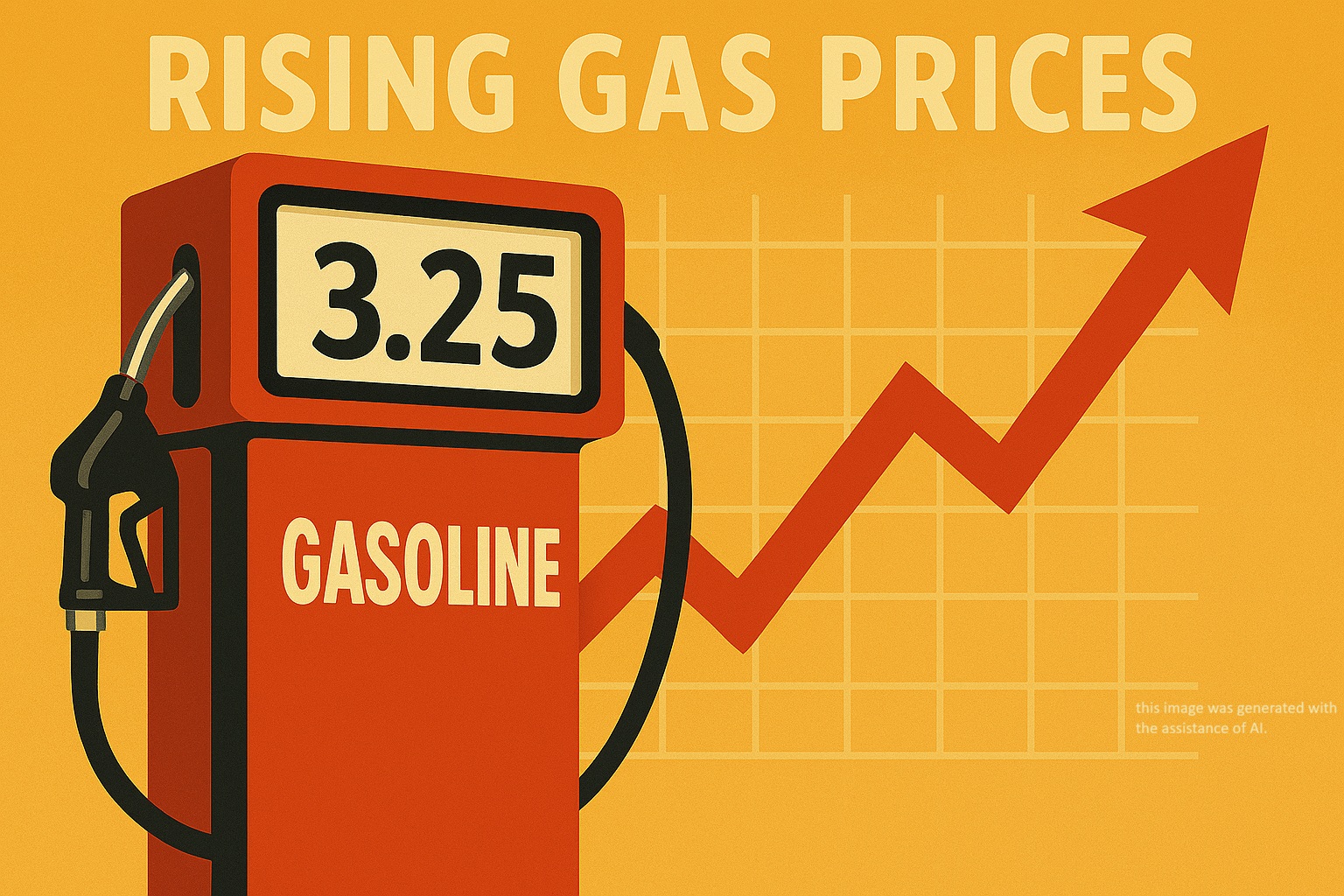
This note was on the calendar because it is that time of year, but then Atlas had to rip up the script when the war in Iran started because seasonal issues alone were no longer driving the price of fuel higher. Initially this note was going to help remind readers that changes to the blend of fuel would be taking place soon as the weather warms.
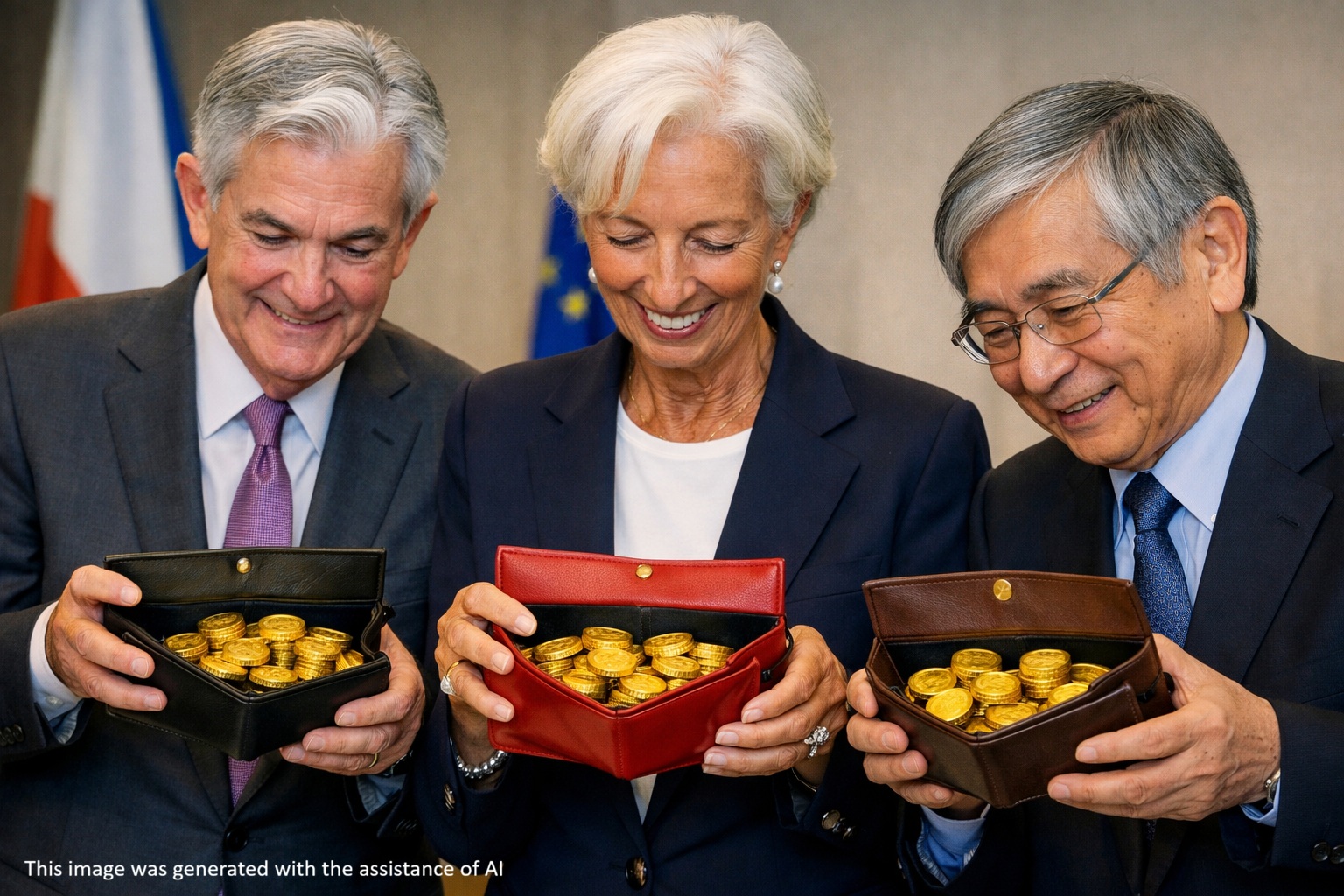
What’s in Your Central Bank?
Submitted by Atlas Indicators Investment Advisors on February 25th, 2026Short-Duration Rose
Submitted by Atlas Indicators Investment Advisors on December 31st, 2025Door Ajar
Submitted by Atlas Indicators Investment Advisors on December 31st, 2025Underlying Shifts
Submitted by Atlas Indicators Investment Advisors on November 29th, 2025Markets like stability whether its economic, geopolitical or otherwise. Stability helps buyers and sellers agree on the current and potential future values of a variety of financial and real estate assets, thus driving their prices. As stability wanes, the spectrum of expected outcomes stretches, inviting a broader range of opinions about potential future values.
Laboring Through Data for You
Submitted by Atlas Indicators Investment Advisors on October 2nd, 2025
Welcome to Friday, jobs day. Your federal government may be shut down, but Atlas is not. A quick glance at the economic calendar will show you that the Bureau of Labor Statistics is supposed to release the September 2025 labor report later this morning. This would in turn cause Atlas to send you a note about the release’s details. That initial condition was not met
Balancing Act
Submitted by Atlas Indicators Investment Advisors on August 31st, 2025
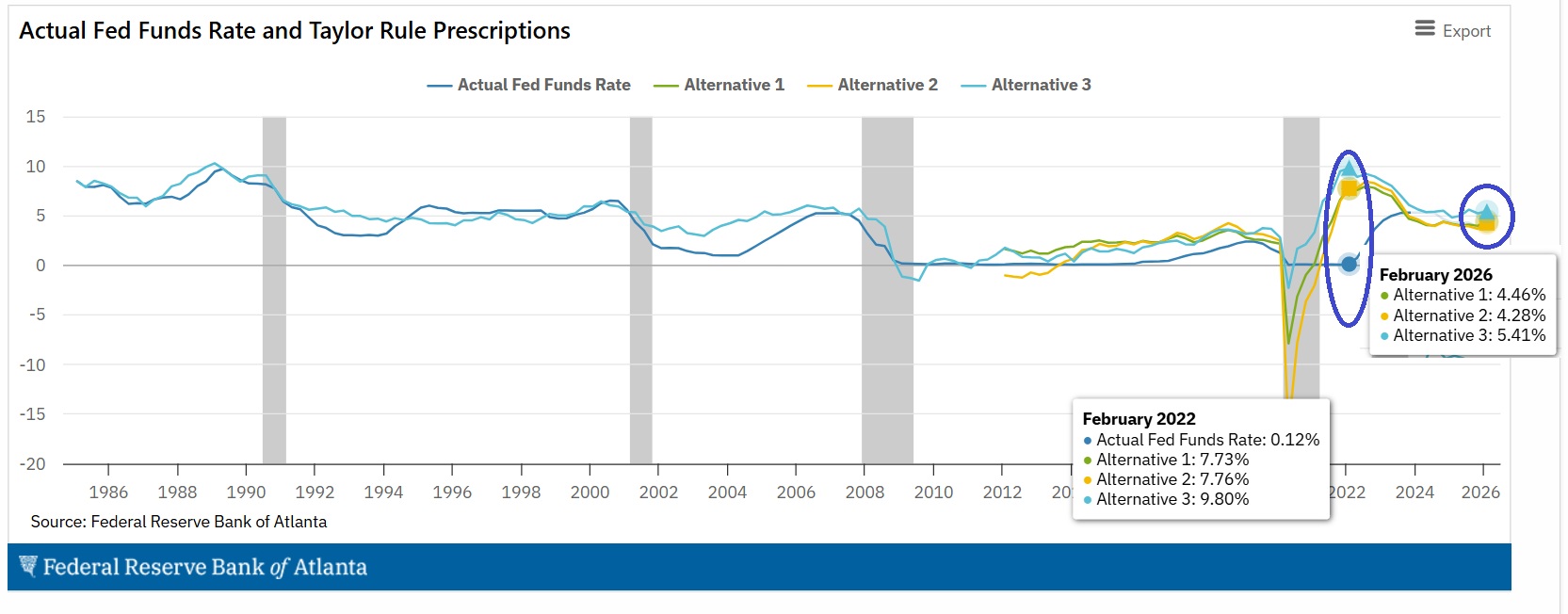
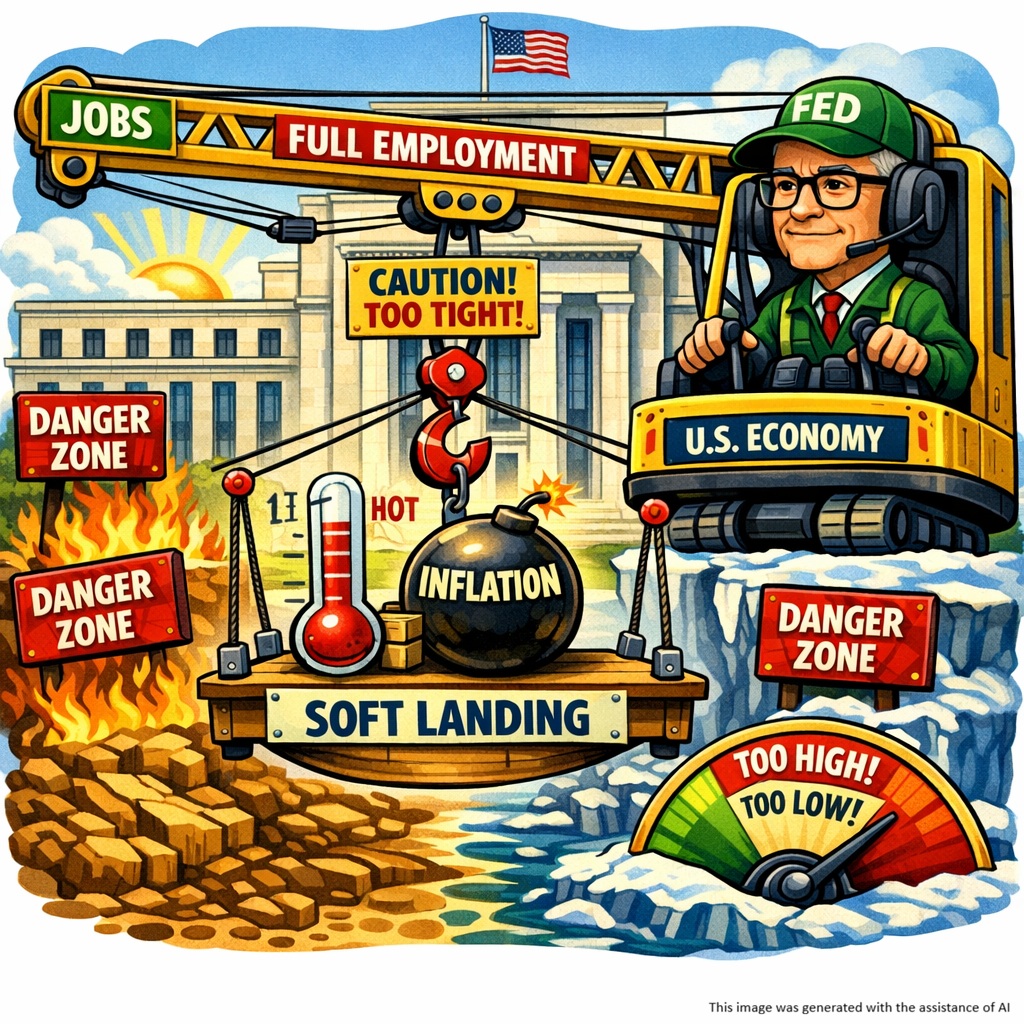
The Federal Reserve heavily influences the American economy. Every six weeks the Federal Open Market Committee (FOMC) gathers to determine the correct course for monetary policy; they do this by setting the Fed Funds Rate (the amount charged for overnight loans between banks). In short, they are trying to strike a balance between controlling inflation and supporting the labor market