
Re-Boxing Day
Submitted by Atlas Indicators Investment Advisors on December 31st, 2025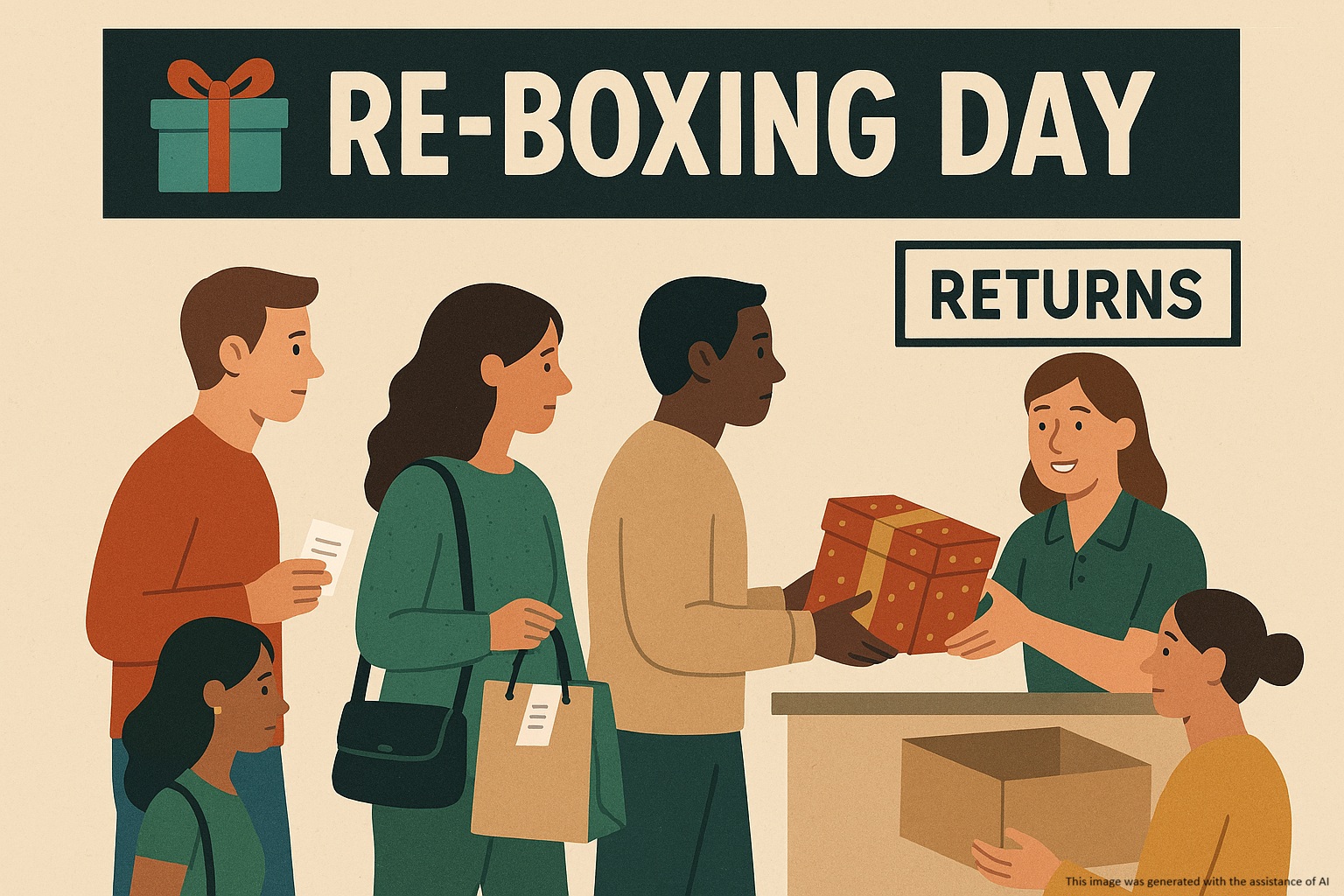
Here we are the day after Christmas, and many countries are now celebrating Boxing Day. In nations like the UK, Canada, Hong Kong, and Nigeria, this day was born in the tradition of charity. Wealthy employers would often give servants the day off to enjoy and provide them with boxes containing everything from food and gifts to bonuses. You may have noticed America is not contained in the abbreviated list of nations above and for good reason: the U.S. does not celebrate the day.
Our nation has its own festive way of spending the day: Re-Boxing Day. This is the day when returning unwanted gifts or ill-fitting clothes begins. As you might have guessed, returns come at a significant cost to retailers, and firms are adapting to this consumer tendency. According to this article from the National Retail Federation, $849.9 billion worth of goods will be returned in all of 2025. Attempting to slow the pace and costs of returns, 72% percent of merchants surveyed have started charging for at least one method of return in the past 12 months. And according to the same report, this strategy is working. Fifty-three percent report a reduction in returns, 43% are recouping revenue from returns, and 42% report a decrease in return fraud. These positives come at a cost, however. Some consumers admit to bending rules to get items returned that might not technically qualify. Additionally, merchants describe the downside of charging for returns to include an uptick in customer complaints, losing some clients altogether as well as some suggesting fewer sales.
So as Re-Boxing Day gets underway, gift receipts in hand and return lines snaking toward the door, it might be worth remembering that everyone is adjusting to this new reality together. Retailers are trying to tame an almost trillion‑dollar-returns beast, and consumers are trying to navigate fees, policies, and their own temptation to bend the rules just a bit. In the spirit of the original Boxing Day, maybe the best approach is a small dose of grace on both sides. Imagine a future where shoppers are a little more mindful about what they buy and retailers a touch more forgiving about how they charge for what comes back.
