
  877.543.5970 ext. 102   christopher@atlasindicators.com
  •  
  •   Client Login

  • Home
  • About 
    • Our Team
    • Our Philosophy
    • Our Process
  • Our Services 
    • Our Services
    • Investments
    • Insurance
    • Retirement Planning
  • Resources 
    • Useful Websites
    • Financial Calculators
    • Video Library
  • Blog
  • Contact

    You are here

  1. Home
  2. Blogs
  3. Making Sense Not Cents

Making Sense Not Cents

Submitted by Atlas Indicators Investment Advisors on November 29th, 2025
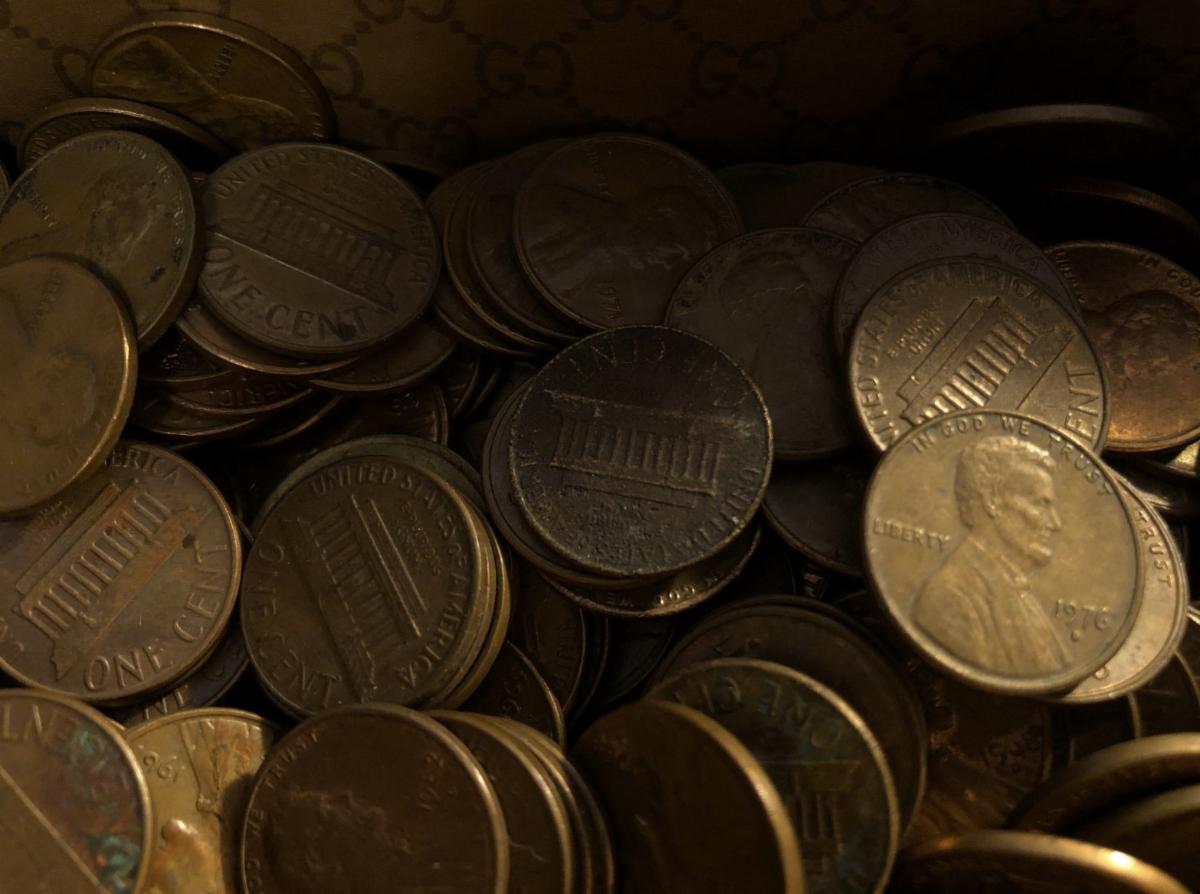
Pennies have officially been discontinued in the United States, ending more than 230 years of production. The final batch was minted in mid-2025, and no new one-cent coins are planned for circulation. This decision follows years of debate over the rising cost of minting pennies, which now costs about four cents per coin.


Modern pennies are primarily zinc with a thin copper coating—about 97.5% zinc and 2.5% copper—a composition introduced in 1982 to replace the earlier formula of 95% copper and 5% tin and zinc. Over time, the penny’s makeup has changed repeatedly, shifting from pure copper in its early years to various alloys designed to address fluctuating metal prices and supply concerns.


Gresham’s law, which states that “bad money drives out good,” applies to pennies as well. Many people hoard pre-1982 pennies because they contain significantly more copper, reducing their presence in everyday circulation. With the penny’s discontinuation, this trend may intensify. Coins with high intrinsic value tend to disappear from daily use when their melt value approaches or exceeds their face value.


A copper penny minted before 1982 weighs 3.11 grams, and 145 such pennies equal one pound. As of November 13, 2025, copper’s spot price is about $5.04 per pound, meaning $1.45 in copper pennies has a metal value of roughly $5.04. This large gap between face value and material worth creates a strong incentive to collect older pennies.


However, melting pennies for scrap remains illegal under federal law. While older copper pennies may be worth more than their face value, they cannot legally be converted into raw copper. As pennies are phased out, cash transactions will shift toward rounding policies, though pennies will remain legal tender even as production ends. This transition highlights ongoing discussions about coin composition, economic implications, and practical challenges for collectors, retailers, and the U.S. Mint. Interestingly, reports indicate that producing a nickel now costs nearly 14 cents—making pennies seem almost economical by comparison.

Tags:
  • Friday
  • Friday Fun
  • Penny

Book a Meeting

Tell a Friend

Looking to learn more?

Get in touch today

Contact Us

Additional info

  • Sitemap
  • Legal, privacy, copyright and trademark information

Contact info

  •   560 W Foothill Pkwy, Corona, CA 92882
  •   877.543.5970 ext. 102
  •   christopher@atlasindicators.com

Investment Advisory Services offered through Independent Advisor Representatives of Cooper McManus, a Registered Investment Adviser Securities offered through Registered Representatives of Cambridge Investment Research, Inc., a broker-dealer, member FINRA/SIPC, to residents of: CA, HI, MA, MT, OR, PA, and TX. Cambridge and Atlas Indicators Investment Advisors, Inc. are not affiliated.​

Cambridge's Form CRS (Client Relationship Summary)

Please see the following for our services disclaimer: Asset Allocation: Diversification seeks to reduce the volatility of a portfolio by investing in a variety of asset classes. Neither asset allocation nor diversification guarantee against market loss or greater or more consistent returns. Asset allocation does not guarantee a profit or protection from losses in a declining market. Precious Metals: Investments in precious metals such as gold involve risk. Investments in precious metals are not suitable to everyone and may involve loss of your entire investment. These investments are subject to sudden price fluctuation, possible insolvency of the trading exchange and potential losses of more than your original investment when using leverage. Real Estate: Specific-sector investing such as real estate can be subject to different and greater risks than more diversified investments. Declines in the value of real estate, economic conditions, property taxes, tax laws, and interest rates all present potential risks to real estate investments. Diversification: Diversification seeks to reduce the volatility of a portfolio by investing in a variety of asset classes. Neither asset allocation nor diversification guarantee against market loss or greater or more consistent returns. Index: An investor cannot invest directly in an index.

This site is published for residents of the United States and is for informational purposes only and does not constitute an offer to sell or a solicitation of an offer to buy any security or product that may be referenced herein. Persons mentioned on this website may only offer services and transact business and/or respond to inquiries in states or jurisdictions in which they have been properly registered or are exempt from registration. Not all products and services referenced on this site are available in every state, jurisdiction or from every person listed.

© 2026 Atlas Indicators Investment Advisors. All rights reserved.

Website Design For Financial Services Professionals