
Borrowed Time
Submitted by Atlas Indicators Investment Advisors on September 30th, 2026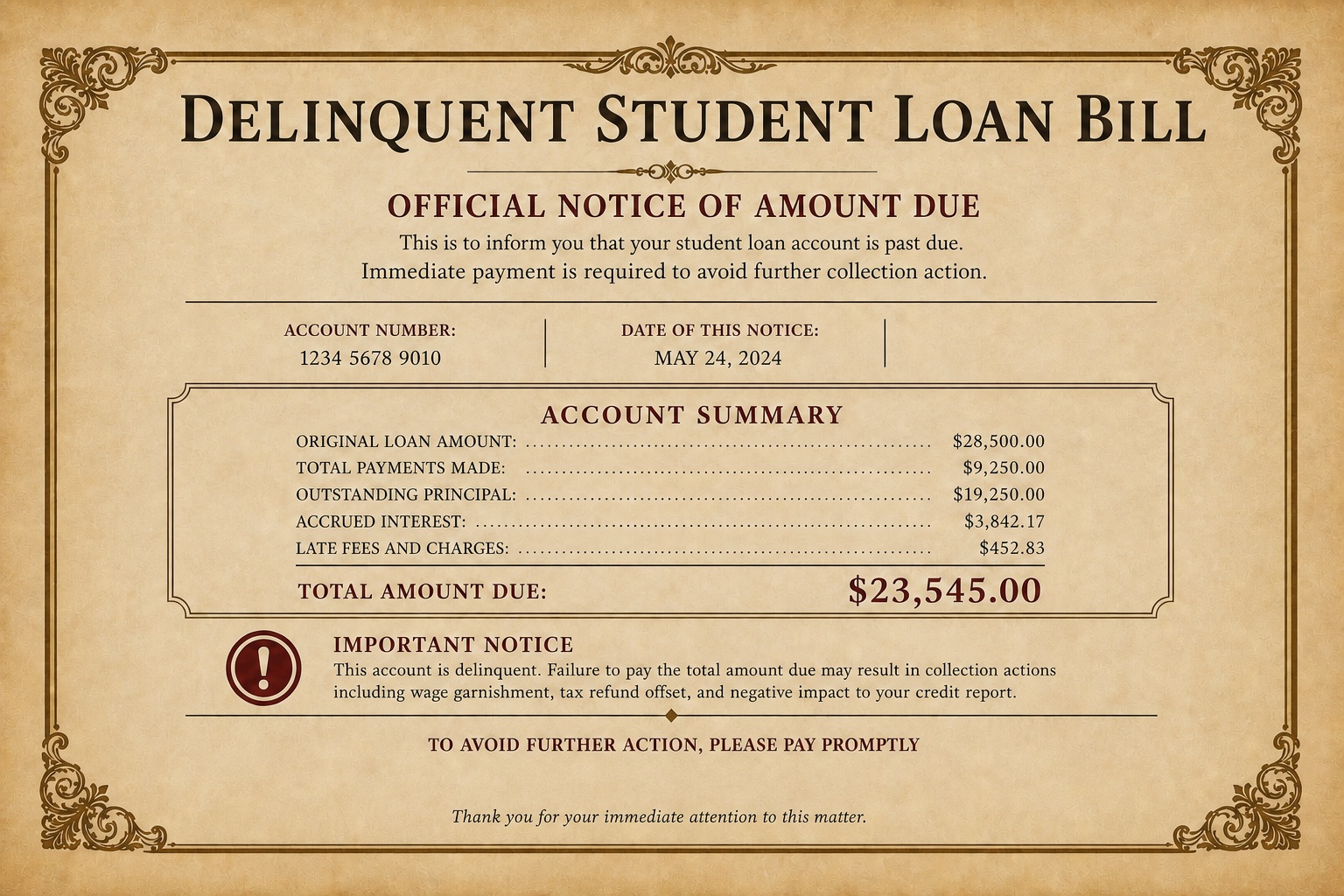
Federal student loan defaults are reaching pre-pandemic levels according to data from the New York Federal Reserve’s Q1 2026 Household Debt and Credit Report. During the pandemic, payments on many educational loans were paused, offering those still owing money for college costs time to steady their balance sheets. The three-year pause ended in October 2023.
Defaults have surged recently. The New York Fed estimates loan delinquencies greater than 90 days rose 10.3% in the first quarter of this year. That followed the fourth quarter of 2025’s 9.6% surge, so not only is the tally rising, but it accelerated in the latest count. Since June of last year, defaults have grown by 4.2 million individuals to an all-time high of 9.52 million.
Not getting caught up could hurt these borrowers for years. According to this article from USA Today, defaulting on a federal student loan may lead borrowers to wage garnishment, tax refund garnishment, and a negative hit to one’s credit score. Many of those in default are not recent grads with fresh parchment paper but instead have an average age of roughly 40. Geographically, defaults are concentrated in southern U.S. states.
Rising student loan defaults may be more than a personal finance problem. This issue could remove nearly 10 million people from the borrowing pool over the next several years as they work through the process of repairing their credit scores. That means less demand for homes, vehicles, and other major purchases from prime age working Americans. While on its own it is unlikely to push our economy into recession, it reminds one of the importance of a healthy balance sheet.
Uncle Sam needs to collect on these loans; after all, have you seen his balance sheet?
