
Operation Epic Cost
Submitted by Atlas Indicators Investment Advisors on September 30th, 2026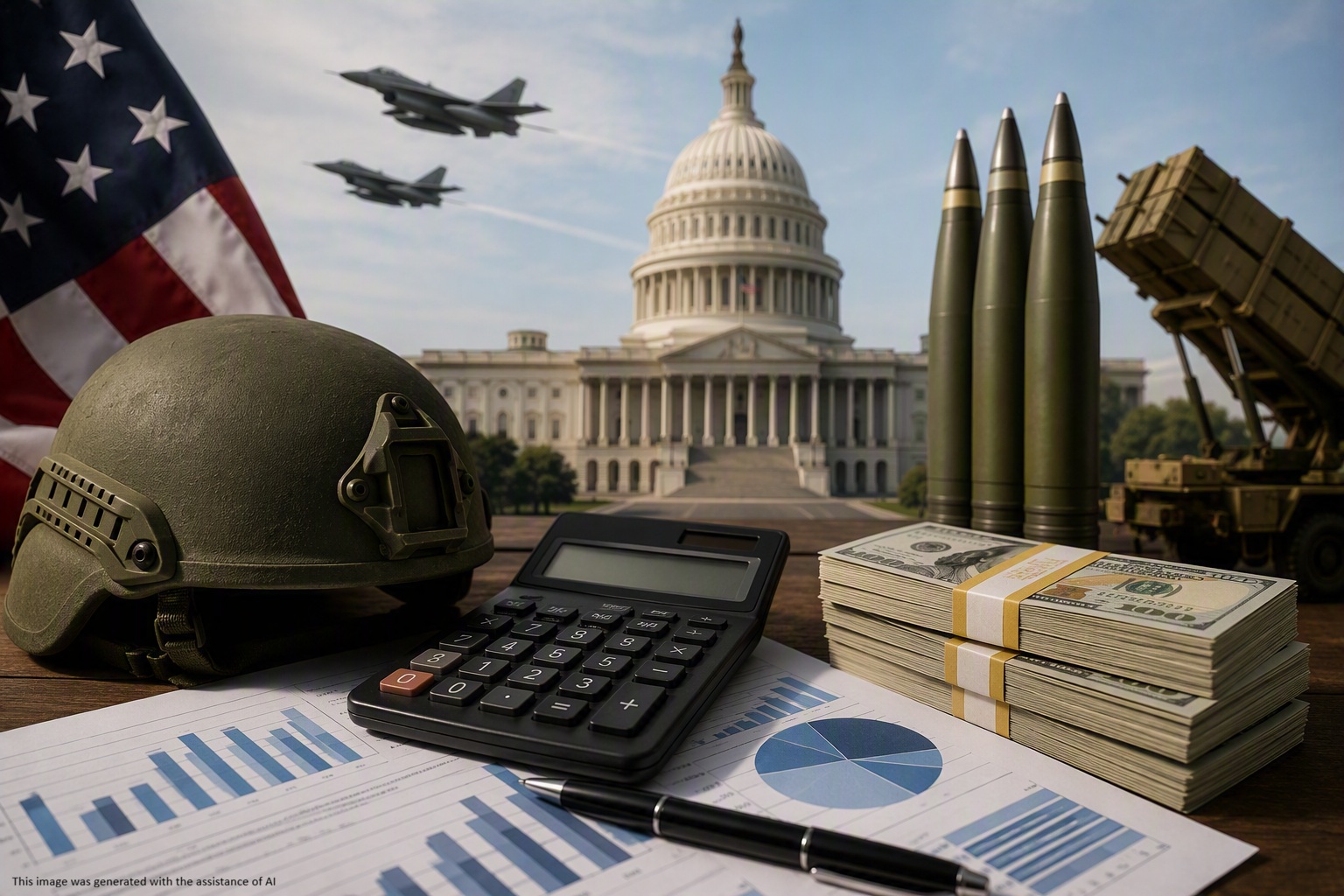
The Congressional Budget Office (CBO) is Congress’ statutory, nonpartisan budget and economic analysis agency, employing professional analysts under politically-neutrality and conflict-of-interest rules. They just released an assessment of costs associated with the combat operations against Iran. In doing so, they were careful to exclude normal operating costs, concentrating instead on the expenses incurred specifically with this conflict, although they did also exclude still-unknown expenses associated with repairing damaged facilities.
As of August 1, 2026, they estimate the Department of Defense has spent $38 billion on operational, logistical, and sustainment costs. They looked at replacing munitions used and equipment lost in battle as well as additional flying hours, other operating costs, and higher fuel expenses. The largest portion of this estimate is $21.7 billion for munitions, including $13.1 billion for missile defense interceptors.
Besides the accounting costs that is the burden of American taxpayers, the report indicates opportunity costs. In particular, they describe the depletion of interceptors as leaving our nation vulnerable to conflicts with nations whose arsenal include a large number of ballistic and cruise missiles. They then go on to name the People’s Republic of China and its potential to engage in a military conflict with Taiwan.
Other potential economic impacts are also detailed. Not surprisingly, they believe the conflict with Iran will impact the federal budget. The CBO also thinks inflation will continue being impacted higher through at least the beginning of next year, adding 0.6 percent points to the Personal Consumption Expenditures Price Index. They also estimate that both short-and long-term rates are being lifted by the conflict. They remain uncertain about how this will all impact output here in America but note that, “higher prices erode the purchasing power of U.S. households and businesses, dampening consumption and investment growth.” They also concede the point that oil supply disruptions outside of the U.S. will increase demand for America energy exports.
Wars are often remembered by their military outcomes. Celebrations are created for the victors and memorials erected for those killed. But we’re well served to remember that wars don’t happen in isolation from the broader economy. They need to be funded, and funding invariably requires economic sacrifice. The CBO’s analysis reminds us that the costs will not only be measured with receipts, but also in the opportunities foregone along the way.
