
  877.543.5970 ext. 102   christopher@atlasindicators.com
  •  
  •   Client Login

  • Home
  • About 
    • Our Team
    • Our Philosophy
    • Our Process
  • Our Services 
    • Our Services
    • Investments
    • Insurance
    • Retirement Planning
  • Resources 
    • Useful Websites
    • Financial Calculators
    • Video Library
  • Blog
  • Contact

    You are here

  1. Home
  2. Blogs
  3. Chokeholds and Cormorants

Chokeholds and Cormorants

Submitted by Atlas Indicators Investment Advisors on September 30th, 2026
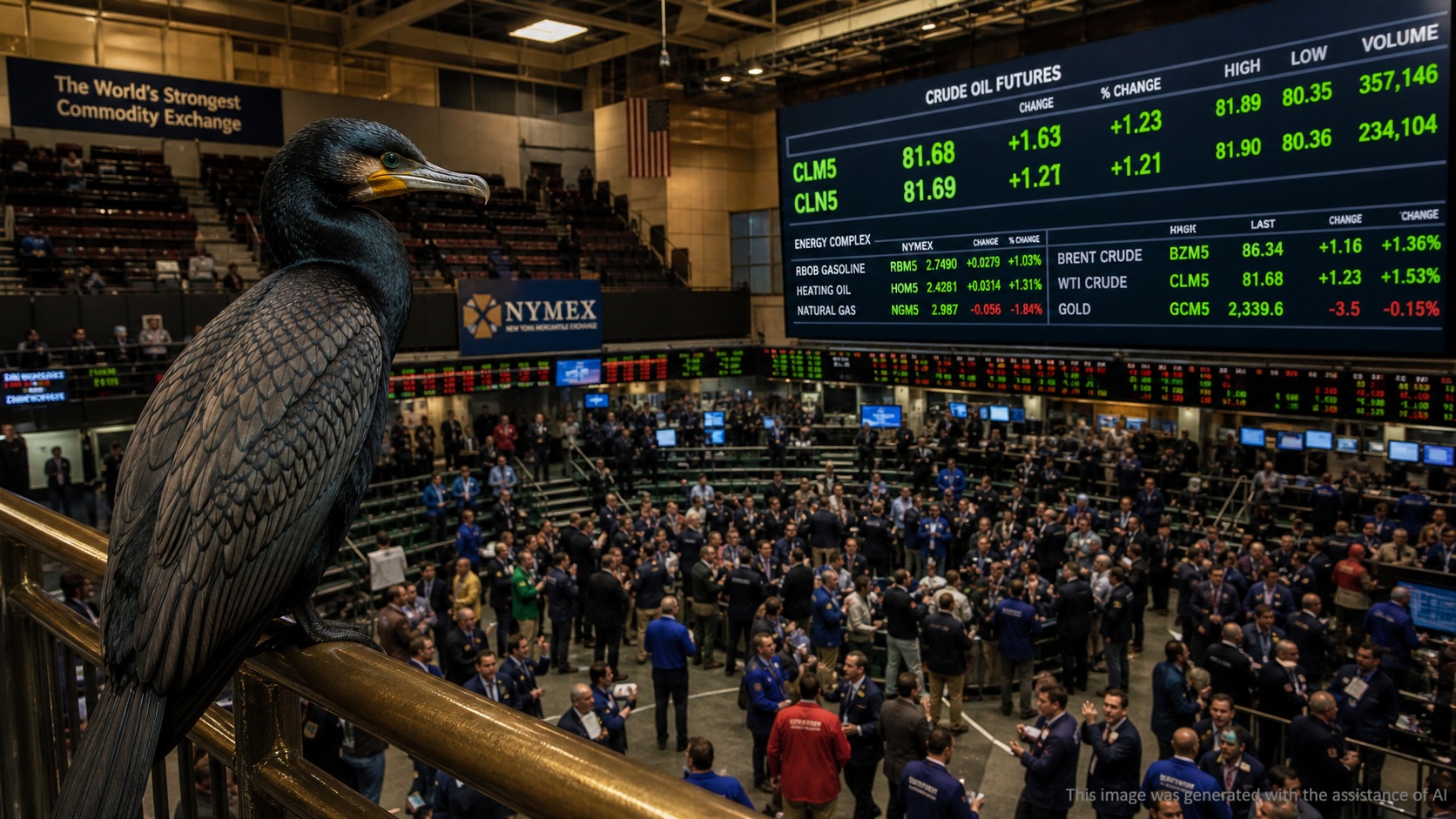
I’ll bet most of us have seen a cormorant or two. They are generally black birds with a really long snaky neck that may be seen hanging around bodies of water diving for fish. They have been domesticated around the world for fishing. All you need to do is tame one and tie a cord around its neck. Not too tight now (but tight enough)! The cord acts as a leash. The idea is that the bird will jump into the water, chase down a fish and swallow it – maybe. If the fish is small, no problem, but the big ones get caught in its throat. Drag the critter back into the boat, make it toss up the troublesome prey and viola you got yourself dinner! Videos show Japanese fishermen plying this trade if you’re interested.

One important detail becomes my focus: whoever holds the leash controls the results. Doesn’t this remind you of the Strait of Hormuz? Who does have rights to this chokepoint?

Perhaps we can start with how the United Nations Convention on the Law of the Seas (UNCLOS) defines territorial waters – 12 miles offshore sorta. It’s tricky. The Strait is about 24 miles wide. Oman sits on the west side so the two countries should split the difference but there are “lanes” defined for coming and going to avoid collisions. While both are pretty much in Omani waters, Iran feels they have some contestable rights so they recently instituted the Persian Gulf Strait Authority (PGSA) designed not as a toll (which all agree wouldn’t be legal per the UN) but as a service fee. Small craft can apparently pass right through but the bigger ones are in a quandary.

This PGSA service fee is quite expensive. The U S doesn’t approve, averring this restraint unbearably tightens the chokehold. There’s no telling how it will end of course and this is by no means the only time the Straight has been closed. Who lets go of the leash first may be the deciding factor. Let’s hope it is not pried out of someone’s cold, dead hands. (by J R Capps, President Emeritus, Atlas Indicators)

Tags:
  • J R

Book a Meeting

Tell a Friend

Looking to learn more?

Get in touch today

Contact Us

Additional info

  • Sitemap
  • Legal, privacy, copyright and trademark information

Contact info

  •   560 W Foothill Pkwy, Corona, CA 92882
  •   877.543.5970 ext. 102
  •   christopher@atlasindicators.com

Investment Advisory Services offered through Independent Advisor Representatives of Cooper McManus, a Registered Investment Adviser Securities offered through Registered Representatives of Cambridge Investment Research, Inc., a broker-dealer, member FINRA/SIPC, to residents of: CA, HI, MA, MT, OR, PA, and TX. Cambridge and Atlas Indicators Investment Advisors, Inc. are not affiliated.​

Cambridge's Form CRS (Client Relationship Summary)

Please see the following for our services disclaimer: Asset Allocation: Diversification seeks to reduce the volatility of a portfolio by investing in a variety of asset classes. Neither asset allocation nor diversification guarantee against market loss or greater or more consistent returns. Asset allocation does not guarantee a profit or protection from losses in a declining market. Precious Metals: Investments in precious metals such as gold involve risk. Investments in precious metals are not suitable to everyone and may involve loss of your entire investment. These investments are subject to sudden price fluctuation, possible insolvency of the trading exchange and potential losses of more than your original investment when using leverage. Real Estate: Specific-sector investing such as real estate can be subject to different and greater risks than more diversified investments. Declines in the value of real estate, economic conditions, property taxes, tax laws, and interest rates all present potential risks to real estate investments. Diversification: Diversification seeks to reduce the volatility of a portfolio by investing in a variety of asset classes. Neither asset allocation nor diversification guarantee against market loss or greater or more consistent returns. Index: An investor cannot invest directly in an index.

This site is published for residents of the United States and is for informational purposes only and does not constitute an offer to sell or a solicitation of an offer to buy any security or product that may be referenced herein. Persons mentioned on this website may only offer services and transact business and/or respond to inquiries in states or jurisdictions in which they have been properly registered or are exempt from registration. Not all products and services referenced on this site are available in every state, jurisdiction or from every person listed.

© 2026 Atlas Indicators Investment Advisors. All rights reserved.

Website Design For Financial Services Professionals